
Best Local Banks in Indianapolis, IN: Finding Your Perfect Financial Match
Discover the best local banks and credit unions in Indianapolis with our persona-based guide tailored for students, professionals, and families in the Circle City.
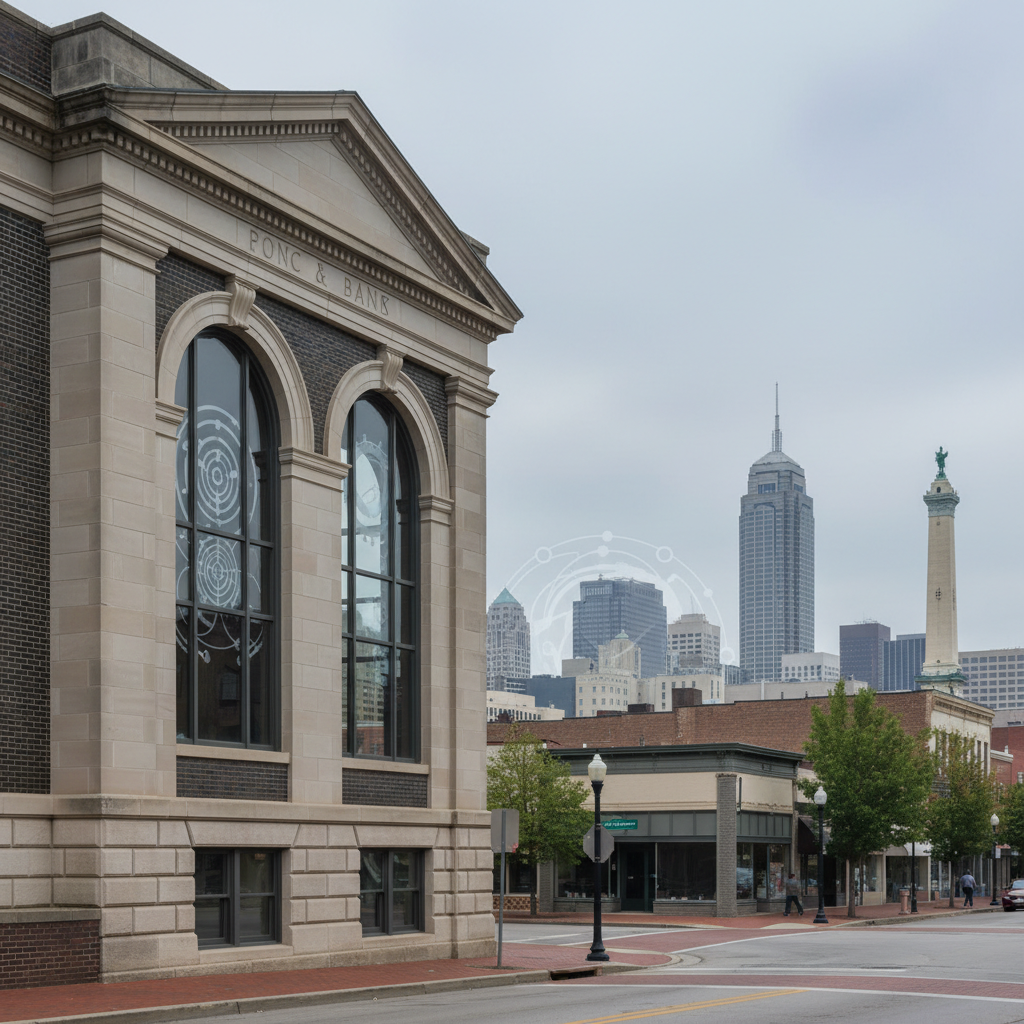
Indianapolis, affectionately known as the Circle City, is more than just the amateur sports capital of the world or the home of the Indy 500. It is a sprawling metropolitan area with a distinct economic identity rooted in manufacturing, life sciences, and a growing tech corridor. Whether you are a student at IUPUI, a researcher at Eli Lilly, or a family settling into the quiet suburbs of Fishers or Carmel, where you choose to park your money matters. The banking landscape in Indianapolis is a mix of massive national players and deeply rooted local institutions that understand the unique quirks of the Hoosier economy.
Selecting a bank is rarely about finding the absolute highest interest rate in a vacuum; it is about finding a partner that aligns with your specific lifestyle needs. A young professional living in a Mass Ave apartment needs a mobile-first experience with high ATM fee rebates, while a small business owner in Fountain Square might prioritize a real-life relationship manager who understands the local foot traffic patterns. In this guide, we break down the best local banks in Indianapolis by resident persona to help you find the institution that feels less like a corporate warehouse and more like a neighbor.
The Indianapolis Banking Landscape at a Glance
Before diving into specific personas, it is helpful to look at how local and regional banks stack up against one another. While the best local banks in Chicago often focus on dense urban branch networks, Indianapolis banking is characterized by accessibility across the 465 loop and a heavy emphasis on community reinvestment. According to the Federal Deposit Insurance Corporation (FDIC), local institutions often maintain higher percentages of small business loans relative to their total assets compared to national mega-banks.
| Institution | Type | Primary Benefit | Notable Feature |
|---|---|---|---|
| Lake City Bank | Regional Bank | Business Lending | 100% Indiana Focused |
| Teachers Credit Union (Everwise) | Credit Union | Member Perks | Massive Branch Presence |
| Merchants Bank of Indiana | Community Bank | High-Yield Savings | Nationally Competitive Rates |
| Elements Financial | Credit Union | Corporate Partnerships | Eli Lilly Employee History |
| First Internet Bank | Digital-Local Hybrid | Technology | HQ in Fishers, IN |
| Indiana Members CU | Credit Union | Community Focus | High-Yield Checking Options |
The Young Professional: Tech-Forward and Mobile-First
If you reside in the Bottleworks District or a modern condo in Fletcher Place, you likely rarely carry cash and haven't stepped inside a physical branch in over a year. For the Indianapolis young professional, banking is an app-based experience. However, staying local has advantages, especially when it comes to avoiding the predatory fee structures often found at national chains. The Consumer Financial Protection Bureau (CFPB) has frequently highlighted how overdraft fees can disproportionately impact younger consumers, making credit union alternatives particularly attractive.
Recommendation: Elements Financial
Originally founded to serve the employees of Eli Lilly and Company, Elements Financial has evolved into one of the premier credit unions in the city. For the young professional, Elements offers a sophisticated mobile banking suite that rivals the big banks but with the member-focused benefits of a local cooperative. Their 'Elevate' checking accounts often provide perks that incentivize healthy financial habits. Because they are part of a massive shared branching network, you can still get the local feel even if you are traveling outside of the Hoosier state.
Recommendation: First Internet Bank
While technically a digital-forward bank, First Internet Bank is headquartered right here in Fishers, Indiana. They were one of the first state-chartered banks to operate entirely online, and they remain a powerhouse for those who want high-interest yields without the overhead of physical buildings. For a young professional, their lack of a traditional branch network is a feature, not a bug, as it allows them to pass savings on through higher APYs on savings accounts and lower fees. This is a local choice that feels like a Silicon Valley fintech but operates with Indiana stability.
The IUPUI or Butler Student: Avoiding the Fee Trap
Indianapolis is a major hub for higher education. Between the urban campus of IUPUI (now transitioning to IU Indianapolis and Purdue Indianapolis) and the historic grounds of Butler University in Midtown, thousands of students are opening their first independent accounts every year. For this group, the priority is clear: zero monthly maintenance fees and a large network of surcharge-free ATMs. Students should also look for institutions that make it easy to transition into post-graduate life. Choosing one of the best checking accounts for college students locally can provide a smoother path to a first car loan or mortgage later on.
Recommendation: Indiana Members Credit Union (IMCU)
IMCU is deeply embedded in the local collegiate culture, even offering university-branded debit cards that support local schools. They offer student-friendly accounts that eliminate the typical hurdles of high minimum balances. With dozens of locations throughout Central Indiana, a student can find help whether they are on campus or visiting family in the suburbs. Their mobile app is robust, allowing for easy Zelle integration and remote check deposits, which are essential for students managing part-time work or stipends.
Recommendation: Teachers Credit Union (now Everwise Credit Union)
Despite the recent rebrand to Everwise, this institution remains a staple of the Indiana education community. They offer specialized accounts for students that emphasize financial literacy. For a student living in Broad Ripple or near the Butler campus, Everwise provides a sense of security and a massive footprint. According to the National Credit Union Administration (NCUA), credit unions like Everwise are member-owned, meaning the profits are returned to members in the form of lower rates and better service—a perfect setup for a student on a budget.
The Small Business Owner: The Power of the Handshake
From the manufacturing shops on the Southside to the trendy boutiques in Carmel’s City Center, small businesses are the engine of Indianapolis. For these owners, a bank is more than a place to store revenue; it is a source of capital. The U.S. Small Business Administration (SBA) provides data suggesting that community banks are often more flexible in their lending criteria than national banks because they take 'soft information' like local reputation into account. If you are a business owner, you want a bank where the loan officer knows your name and understands why a construction project on Meridian Street might be temporarily impacting your cash flow.
Recommendation: Lake City Bank
While headquartered in Warsaw, Lake City Bank has a massive and growing presence in Indianapolis. They are uniquely committed to the state of Indiana, with no branches outside of the state line. This focus means their commercial lending teams are experts in the local regulatory and economic environment. They offer a 'One-Stop' approach for small businesses, combining treasury management, merchant services, and commercial lines of credit. For an Indianapolis entrepreneur, having a banker who understands the specific nuances of the Indiana tax code and local market trends is invaluable.
Recommendation: Merchants Bank of Indiana
Merchants Bank, based in Carmel, has carved out a niche as one of the most efficient and high-performing community banks in the country. They specialize in several areas including healthcare and multifamily lending, but their community banking division is top-tier for local business owners. They often appear at the top of national rankings for financial health and return on equity, and they bring that same rigor to their small business partnerships. If you need a bank that can scale with you as you move from one location to five, Merchants is a powerhouse choice in the 317 area code.
The Suburban Family: Mortgages and Multi-Account Management
For families in the 'doughnut counties' surrounding Marion County—think Hamilton, Hendricks, and Johnson—the banking relationship is often centered around the home. These residents need competitive mortgage rates, high-yield college savings vehicles (like 529 plans, though secondary to banking), and the ability to manage multiple sub-accounts for kids’ allowances and household expenses. Many families moving here from other regions might consider the best local banks in Naperville as a comparison point for the kind of high-touch service expected in affluent suburbs.
Recommendation: Northpointe Bank
While Northpointe is a regional player, their presence in the Indianapolis mortgage market is significant. They are frequently cited as a top choice for families who are looking for creative financing solutions that traditional big banks won't touch. Whether it's a doctor loan for a new resident at IU Health or a jumbo loan for a property in Geist, Northpointe tends to offer a more personalized underwriting process. Their depository products also frequently lead the market in APY, making them a great 'double threat' for families who want to keep their mortgage and savings under one roof.
Recommendation: Centier Bank
Centier is the largest privately owned independent bank in Indiana, and they take that independence seriously. For a family in Zionsville or Greenwood, Centier offers a 'hometown' feel with the technological capabilities of a much larger institution. Their focus on multi-generational banking makes them a favorite; it is not uncommon to see three generations of an Indianapolis family all holding accounts at Centier. They offer excellent junior savings programs that help teach local kids the value of a dollar, often with higher interest rates than standard savings accounts.
The Retiree: Safety, Yield, and In-Person Service
Inland Indiana is a popular place for retirees who want a lower cost of living while staying close to world-class healthcare. For this persona, the primary concerns are the safety of their principal and the availability of in-person assistance for complex tasks like wire transfers, CD ladders, or estate planning. Retirees are also more likely to be affected by changes in interest rates, as many live on fixed incomes supplemented by interest. Understanding callable CD risks explained is vital for this demographic, and having a local banker to walk through those risks is a major benefit.
Recommendation: The National Bank of Indianapolis
This bank is a crown jewel for the local elite and retirees alike. They pride themselves on a 'private banking' feel for all their clients. You won't find flashy neon signs or aggressive digital marketing here; instead, you find quiet, professional offices and bankers who have been with the institution for decades. For a retiree living in Meridian-Kessler or North Meridian, the National Bank of Indianapolis offers a level of prestige and personalized service that is increasingly rare. They are particularly adept at managing the banking needs of trusts and high-net-worth individuals who want their money managed by people who live in the same community.
Recommendation: Forum Credit Union
Forum is a great alternative for retirees who want the community feel but perhaps with a more modern, member-centric twist. They have a strong reputation for customer service and offer various senior-friendly financial products. Their 'Forum Dedicated Senior' outreach and their focus on fraud prevention are particularly valuable for older residents who are often the targets of sophisticated financial scams. The Federal Reserve frequently reports on the importance of local financial institutions in providing a first line of defense against elder financial exploitation, and Forum's local presence serves this role perfectly.
Comparing Local Heroes: Who Wins Your Business?
Choosing between these institutions depends on which 'bucket' you fall into. To help narrow it down, consider the following data which highlights the diversity of offerings across the Indianapolis metro area. We’ve weighted these based on common resident priorities: accessibility, cost, and community impact.
| Persona | Top Pick | Secondary Option | Why They Win |
|---|---|---|---|
| Young Professional | Elements Financial | First Internet Bank | High-tech apps & low fees |
| Student | Indiana Members CU | Everwise (TCU) | ATM access & campus roots |
| Small Business | Lake City Bank | Merchants Bank of IN | Loan flexibility & local expertise |
| Family | Centier Bank | Northpointe Bank | Mortgages & multi-generational focus |
| Retiree | Nat. Bank of Indy | Forum Credit Union | Safety, service & trust management |
The Importance of Community Reinvestment in Indianapolis
When you bank with a local Indianapolis institution, your deposits do more than just sit in a vault. They are often redeployed into the local economy through community development loans. Under the Community Reinvestment Act (CRA), the Federal Reserve Board evaluates how well banks meet the credit needs of the communities in which they operate, including low- and moderate-income neighborhoods. Local banks like Lake City Bank or Merchants Bank often have a vested interest in the revitalization of areas like the Near Eastside or the Riverside neighborhood, because the health of the bank is tied directly to the health of the city.
Furthermore, the local banking sector is a major employer in the region. Between the sprawling corporate campuses in Carmel and the downtown high-rises, thousands of Hoosiers make their living in the financial services sector. By choosing a local bank, you are supporting local jobs and ensuring that the financial executive making decisions about your loan lives in the same weather patterns and traffic jams that you do.
How to Switch to an Indianapolis Local Bank
If you are currently banking with a national giant like Chase or Wells Fargo and want to move your money to a local option, the process is simpler than it used to be. Most Indianapolis banks now offer 'Switch Kits' that provide a checklist for moving your direct deposits and automatic bill pays.
- Open the New Account First: Don't close your old account until the new one is fully funded and your new debit card has arrived.
- Map Your Auto-Drafts: Review three months of statements from your current bank to identify every recurring payment. Indianapolis utility companies like Citizens Energy Group allow for easy updates to payment methods online.
- The Overlap Period: Keep at least one month's worth of expenses in your old account for thirty days to catch any 'stray' transactions you might have missed.
- Confirm the Closing: Once you are sure everything is moved, formally close the old account and get a written confirmation.
Banking in the Circle City offers a unique blend of Midwestern stability and modern innovation. Whether you are rooting for the Colts at Lucas Oil Stadium or enjoying a quiet afternoon at Newfields, having a bank that understands the rhythm of Indianapolis life can make your financial journey much smoother.
Frequently asked questions
- Yes. Credit unions like Indiana Members CU or Elements Financial are insured by the NCUA up to $250,000 per depositor, which is the credit union equivalent of FDIC insurance for banks. Your money is just as safe in a local credit union as it is in a global bank.
Related articles
See all →